
How Your Car's Age Impacts the Cost of Windshield Repairs and Replacement
Automotive glass maintenance represents a critical yet frequently misunderstood aspect of routine vehicle ownership. When a stray pebble strikes auto glass on an open highway, drivers typically assume that fixing the glass involves a standardized fee across every make and model. In reality, the manufacturing year of an automobile drastically dictates the ultimate price point of glass restoration and complete structural replacement. The automotive industry has undergone a radical transformation over the past two decades, pivoting from simple analog safety glazing toward complex structural systems loaded with microprocessors. Consequently, the financial investment needed to restore cracked auto glass depends directly on where your vehicle lands along this evolutionary engineering timeline.
Evaluating the correlation between vehicle age and glass maintenance expenses uncovers distinct mechanical, technological, and logistical dynamics. While older automobiles experience natural component obsolescence, parts scarcity, and weathered framing, modern vehicles introduce expensive sensor arrays, acoustic laminates, and mandatory software calibrations. Both ends of the chronological spectrum present unique financial hurdles for vehicle owners seeking professional glass servicing. Understanding how materials, distribution pipelines, insurance practices, and electronics interact based on vehicle production dates allows drivers to prepare effectively for unexpected road hazards. By examining the lifecycle of vehicle glass, motorists can make informed decisions that preserve optical clarity, maintain vehicle safety margins, and avoid excessive out-of-pocket costs.
Understanding the Mechanical Realities of Aging Vehicles
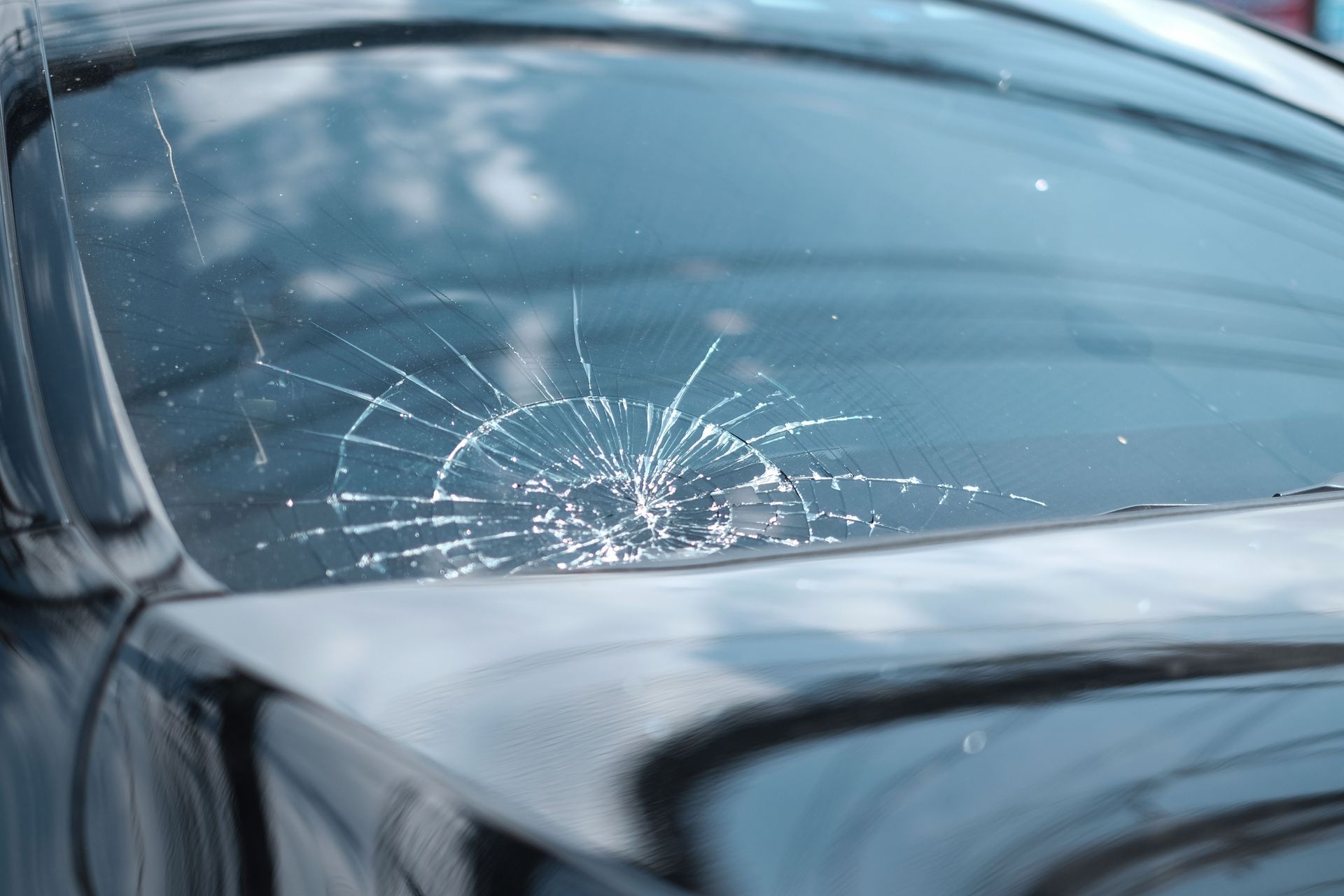
Vehicle aging is defined by continual financial depreciation paired with the gradual mechanical degradation of original equipment. As a vehicle accumulates years on the road, its market valuation steadily declines, which frequently prompts drivers to reduce their cosmetic maintenance investments. However, physical glass degradation occurs regardless of a vehicle's depreciating resale price. Prolonged exposure to extreme temperature swings, mechanical chassis vibration, and flying road debris steadily weakens automotive structural glass over extended periods. Because weathered glass is far more prone to developing spreading stress fractures, scheduling prompt windshield repairs becomes essential for preventing small surface pits from turning into full edge-to-edge fissures that destroy structural integrity.
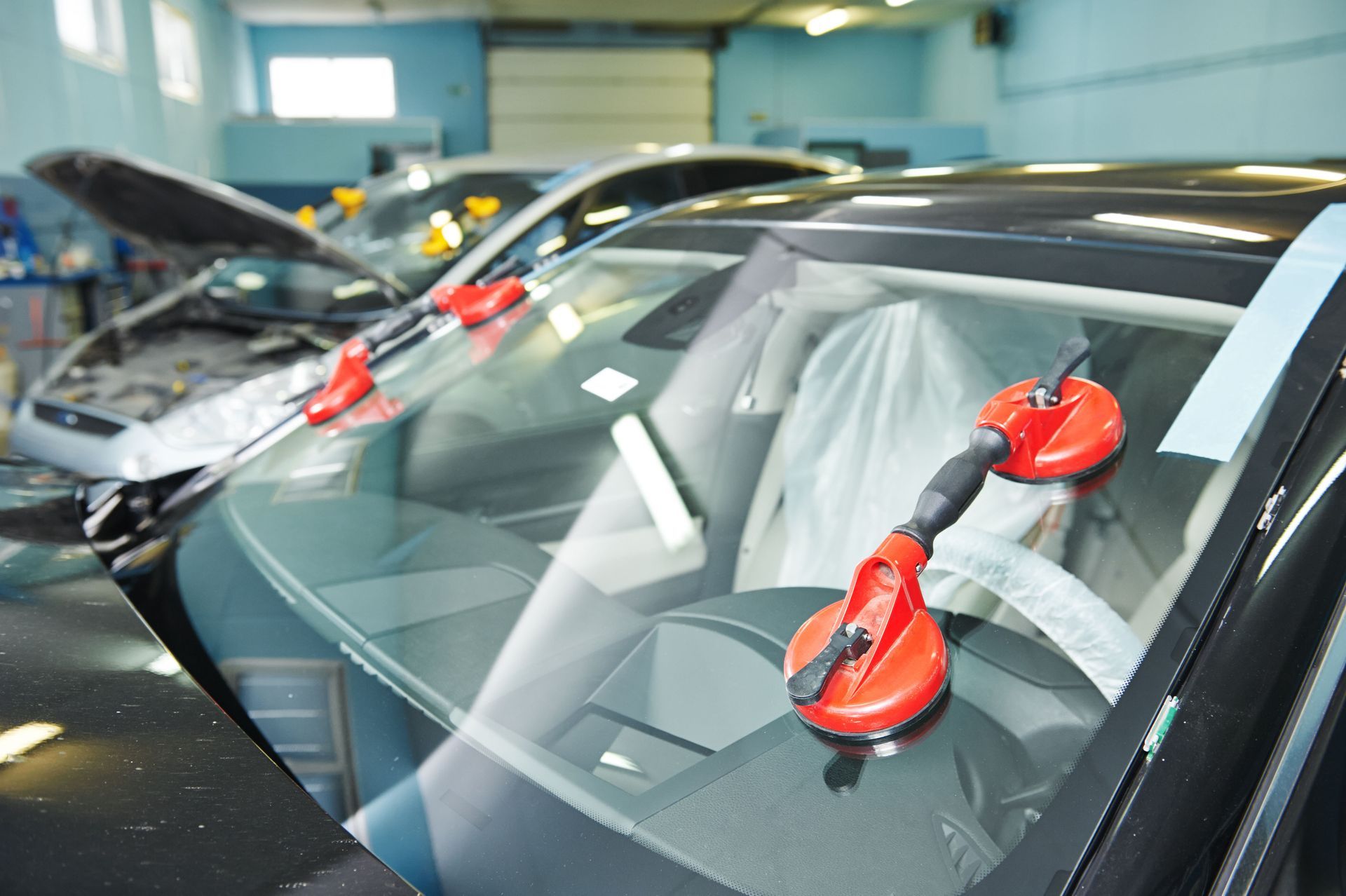
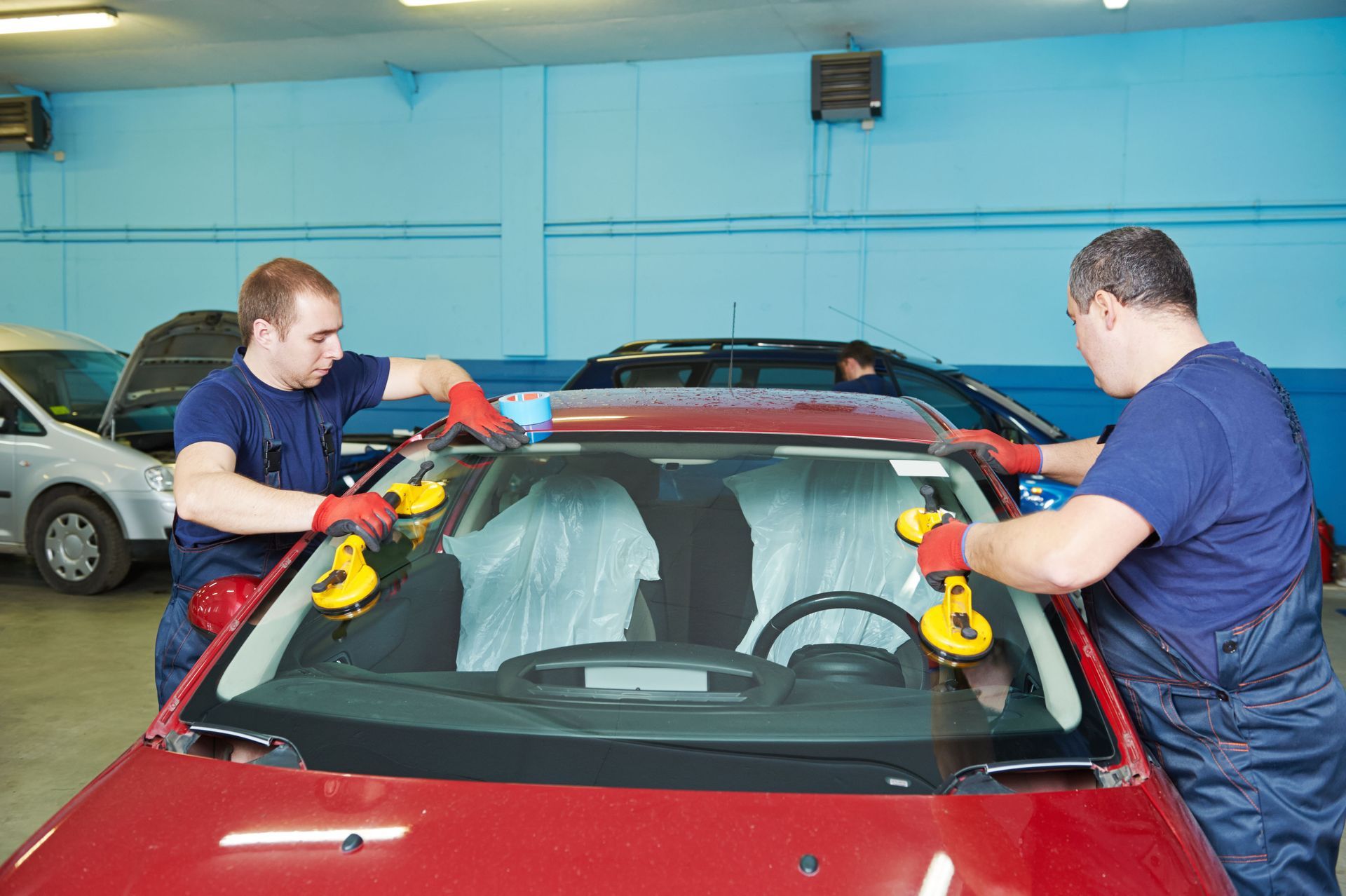
Maintaining older vehicles also introduces significant logistical hurdles regarding the procurement of appropriate replacement panels. When an automobile has been out of commercial assembly line production for a decade or more, original parts inventories dry up across regional warehouses. Sourcing replacement panels for discontinued models frequently requires tracking down rare new-old-stock components or commissioning custom-molded aftermarket glass from specialized fabricators, driving up retail prices. Furthermore, aged vehicles often harbor concealed corrosion within the structural pinch-weld channels beneath the rubber perimeter moulding. Technicians must meticulously scrape away oxidization, treat bare metal surfaces, and prime the frame before bonding replacement glass, adding extensive shop labor costs to the final bill.
Tracing the Evolution of Automotive Glass Materials
Automotive safety glass has progressed from basic tempered glass sheets into highly sophisticated acoustic, thermal, and structural laminate composites. Mid-century and late-model classics generally relied on standard single-layer laminated glass sheets that were relatively inexpensive to fabricate and simple to fit into stamped metal window channels. These older glass designs offered baseline passenger retention during vehicular collisions, but lacked modern comfort coatings and dynamic strength enhancements. If a vintage pane incurs minor rock damage, executing conventional windshield repairs is relatively inexpensive because technicians can inject standard curable resin into uniform, unlayered glass without encountering complicated multi-pane laminate barriers or internal heating elements.
Contemporary automobiles utilize multi-layered laminated safety glass engineered to fulfill diverse structural, thermal, and acoustic functions. Modern glass sandwiches specialized poly-vinyl-butyral interlayers between curved tempered glass sheets, dampening highway road noise and blocking infrared thermal radiation from heating interior cabins. These performance glass constructions demand costly manufacturing technologies and strict quality control measures, which inflate the retail replacement price compared to legacy glass. According to The Zebra, weather-related factors contribute to about 22% of the 6 million crashes annually in the US. Maintaining optimal glass clarity and structural resistance through high-grade laminated materials is vital for surviving hazardous weather conditions, making modern glass investments well worth the added expense.
Navigating Global Supply Chains and Part Availability
The geographical origin of replacement auto glass plays a substantial role in determining final invoice pricing across differing vehicle vintages. For common domestic cars manufactured within the past five to ten years, replacement inventory remains abundant within regional distribution networks, which stabilizes consumer pricing through competitive supply pipelines. Conversely, vintage vehicles and imported models frequently depend on specialized maritime freight to deliver compatible glass panels from overseas producers. Fluctuating international tariffs, elevated container shipping fees, and sudden freight bottlenecks inflate the landed expense of imported glass, leaving owners of aging foreign vehicles with surprisingly steep replacement bills.
Automotive brand distribution strategies also create sharp price divisions between Original Equipment Manufacturer glass and universal aftermarket products. Vehicle manufacturers strictly license their proprietary glass stampings, pricing original factory glass at a considerable premium to recoup advanced research and development costs. While third-party glass fabricators provide budget-friendly alternatives for high-volume older vehicles, finding affordable aftermarket solutions for newly released vehicles is exceptionally difficult. Independent fabricators often take several production years to reverse-engineer, tool up, and mass-distribute glass for brand-new vehicle generations. Consequently, owners of new vehicles are forced to purchase expensive original equipment panels when routine windshield repairs are impossible.
Managing Comprehensive Insurance Policies and Deductibles
Automotive insurance structures diverge significantly depending on the age, perceived replacement value, and policy coverage tiers of an insured vehicle. Owners of older automobiles frequently drop comprehensive and collision coverage, maintaining only mandatory state liability limits to keep recurring premium expenses manageable. Unfortunately, dropping comprehensive protection eliminates glass repair endorsements, forcing drivers to pay entirely out of pocket when road gravel shatters their view. When paying out of pocket for an aging vehicle, opting for localized windshield repairs represents a smart, cost-effective alternative that saves hundreds of dollars compared to purchasing scarce replacement glass.
Conversely, newer financed vehicles carry full comprehensive coverage that provides substantial financial cushions for major glass damage. Many insurance providers offer zero-deductible glass riders for modern vehicles, recognizing that unaddressed optical flaws impair visibility and increase the likelihood of preventable road collisions. However, insurance carriers frequently scrutinize total claim payouts for newly engineered vehicles due to the rapid inflation of modern glass components. If an owner files multiple glass claims in rapid succession, insurers may adjust future annual premiums upward or mandate higher glass-specific deductibles. Vehicle owners must carefully balance the cost of their deductibles against independent repair estimates to protect their claims history.
Calibrating Advanced Driver Assistance Technology
The single largest factor inflating modern auto glass servicing expenses is the universal integration of Advanced Driver Assistance Systems across recent vehicle generations. Forward-facing optical cameras, light detection sensors, rain monitors, and radar modules are routinely mounted directly against the interior face of modern windshields. These high-tech units actively monitor highway lane markings, recognize speed limit signs, control adaptive cruise pacing, and trigger automatic emergency braking to prevent collisions. Whenever an advanced glass panel is repaired or replaced, technicians must ensure that camera sightlines remain completely undistorted, as even microscopic optical resin imperfections can cause driver assistance computers to misread road geometry.
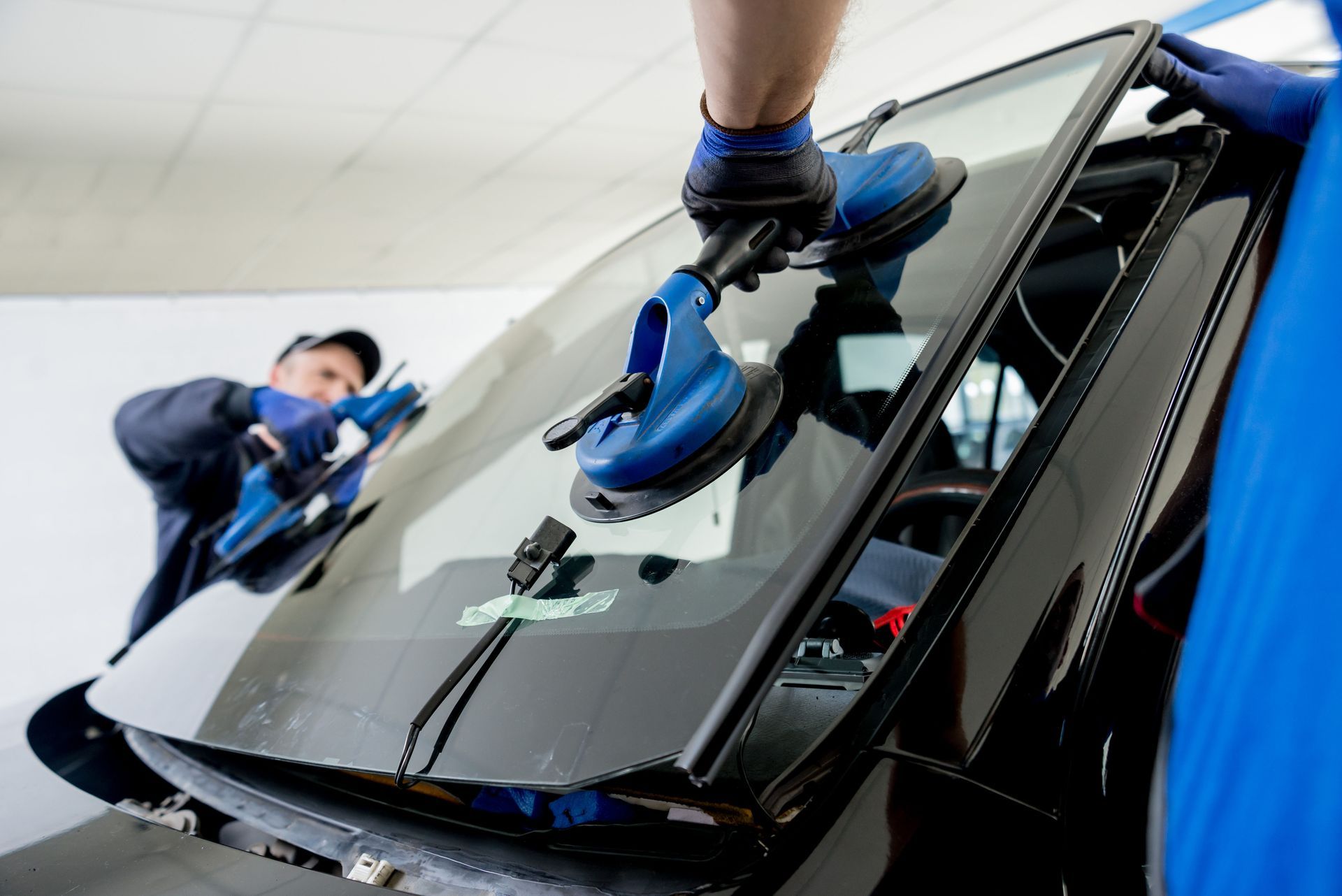
Replacing a smart windshield requires complex camera recalibration routines that elevate labor fees far beyond basic mechanical installation costs. Technicians must conduct static indoor recalibrations using laser-aligned target boards and dynamic road tests where diagnostic computers relearn physical road perspectives while driving at highway speeds. This delicate calibration process demands specialized optical equipment, dedicated indoor shop space, and factory-trained technicians, easily adding hundreds of dollars to the final invoice. Because older analog vehicles lack these electronic sensors entirely, older car owners bypass these sophisticated recalibration expenses. For newer vehicle owners, paying for proper sensor calibration alongside standard windshield repairs is mandatory for ensuring automated driving safety features function reliably.
The age of your vehicle directly governs the financial landscape of automotive glass maintenance, creating distinct trade-offs between parts availability and electronic sophistication. While older vehicle owners navigate the challenges of scarce replacement parts, weathered framing, and out-of-pocket costs, newer car drivers face expensive multi-layer laminates, smart display glass, and mandatory electronic sensor recalibrations. Taking a proactive approach to automotive maintenance through defensive driving, routine wiper care, and immediate windshield repairs allows motorists to preserve clear visibility and structural safety regardless of vehicle vintage. When your vehicle sustains stone chips or requires full glass replacement and camera calibration, rely on the certified technicians at Iowa Auto Glass.



Share On: